This post first appeared on Kelsey Dundon’s Substack The Waited.
Hi team!
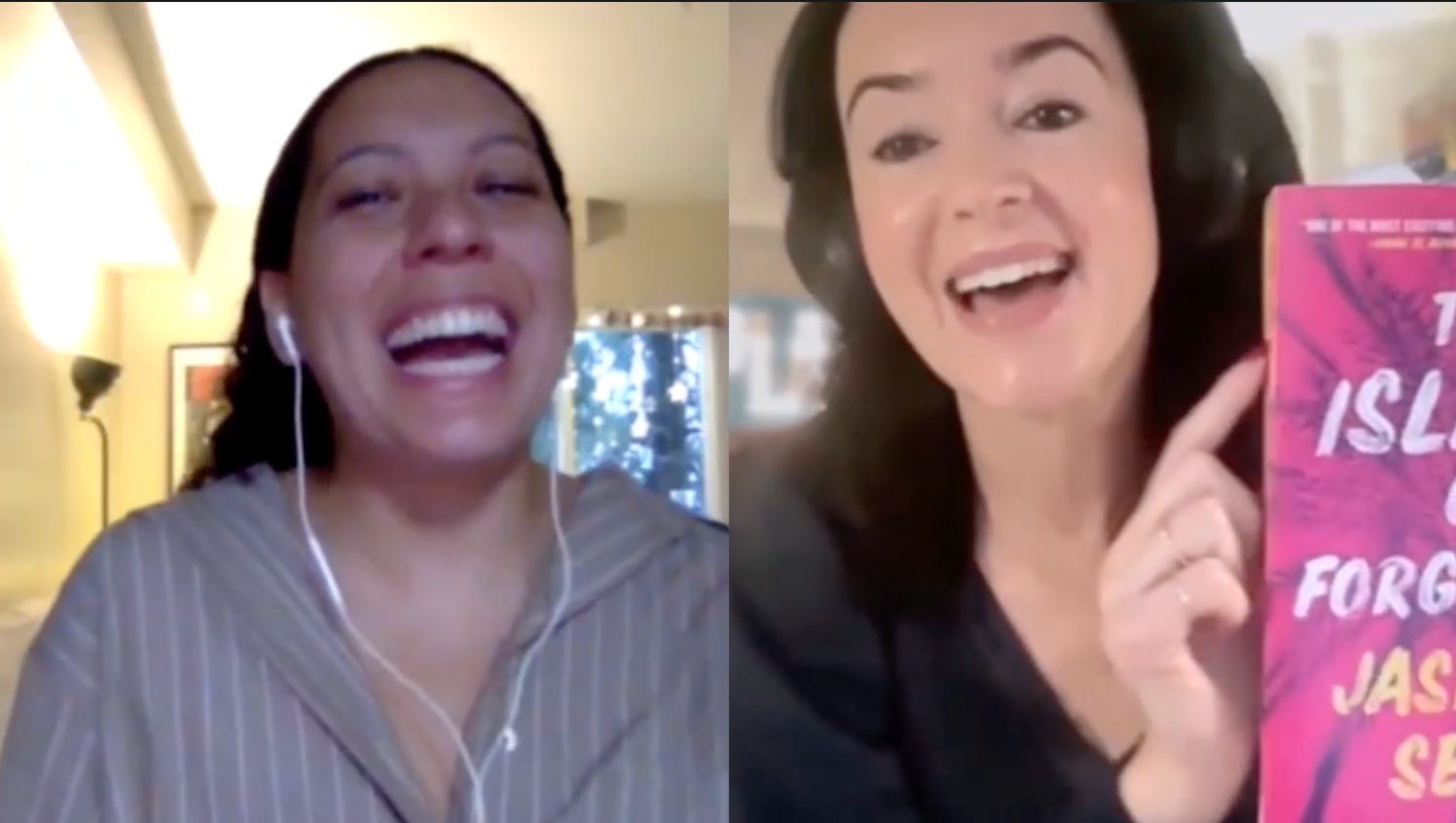
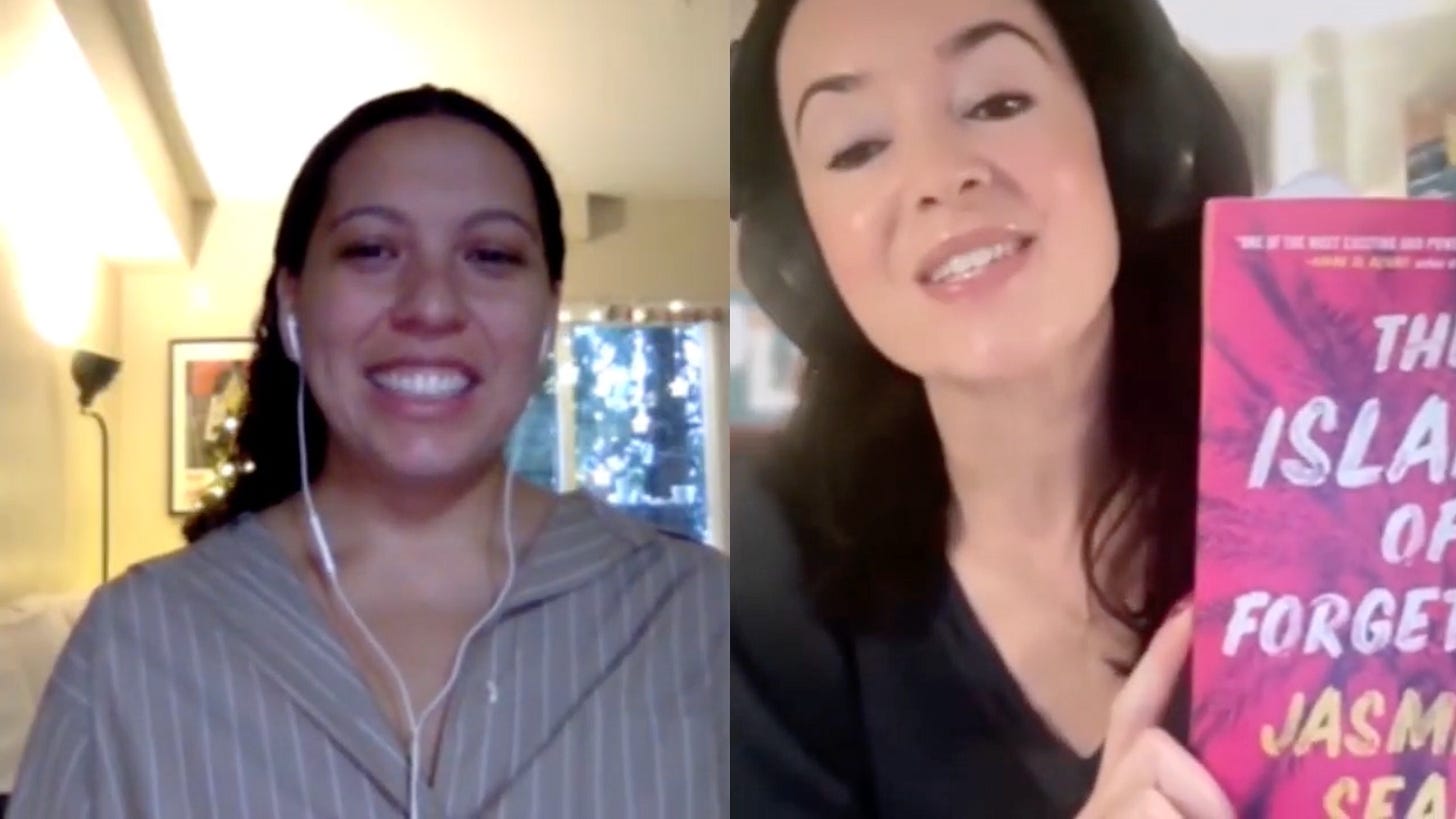
I just recorded a podcast episode with my friend Mahsa di Placito of We Need to Unpack This. And after we stopped recording (of course) we had an extended conversation about parasocial relationships, which is something I think about often.
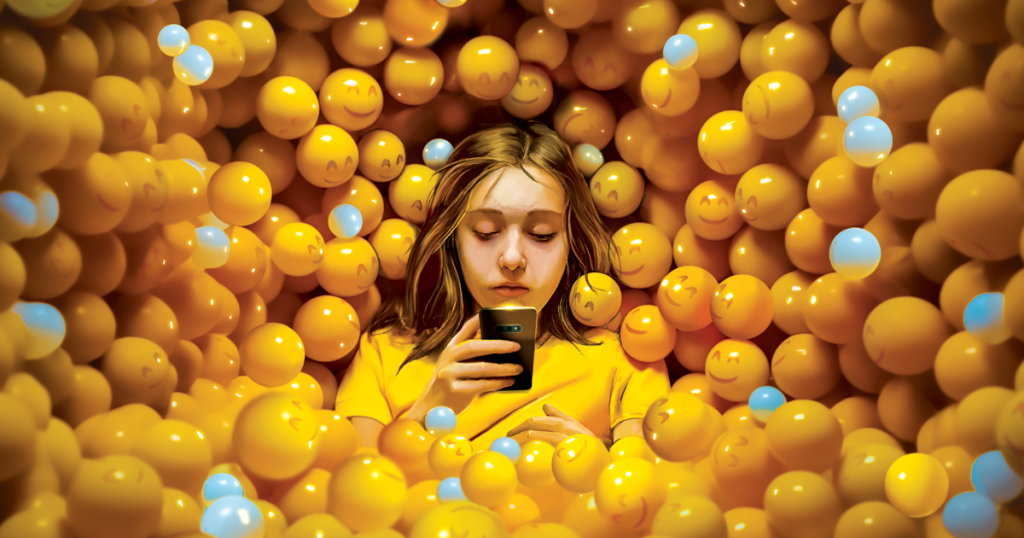
If you’re not familiar with the concept of a parasocial relationship—it’s like how you’re best friends with Amy Poehler, even though you’ve never met. Or how you’re in a long-term relationship with Matt Damon, although he has no clue.
My first job job was as a research assistant at a TV news station and one of the on-air personalities explained this phenomenon to me using what is now an old-timey example: as an on-air personality, you’re in someone’s living room every day so their brain recognizes you as a friend.
It makes sense. Our brains evolved for the real world, where we only would have been seeing people face to face. Our psyches haven’t caught up to the whole screen distinction.
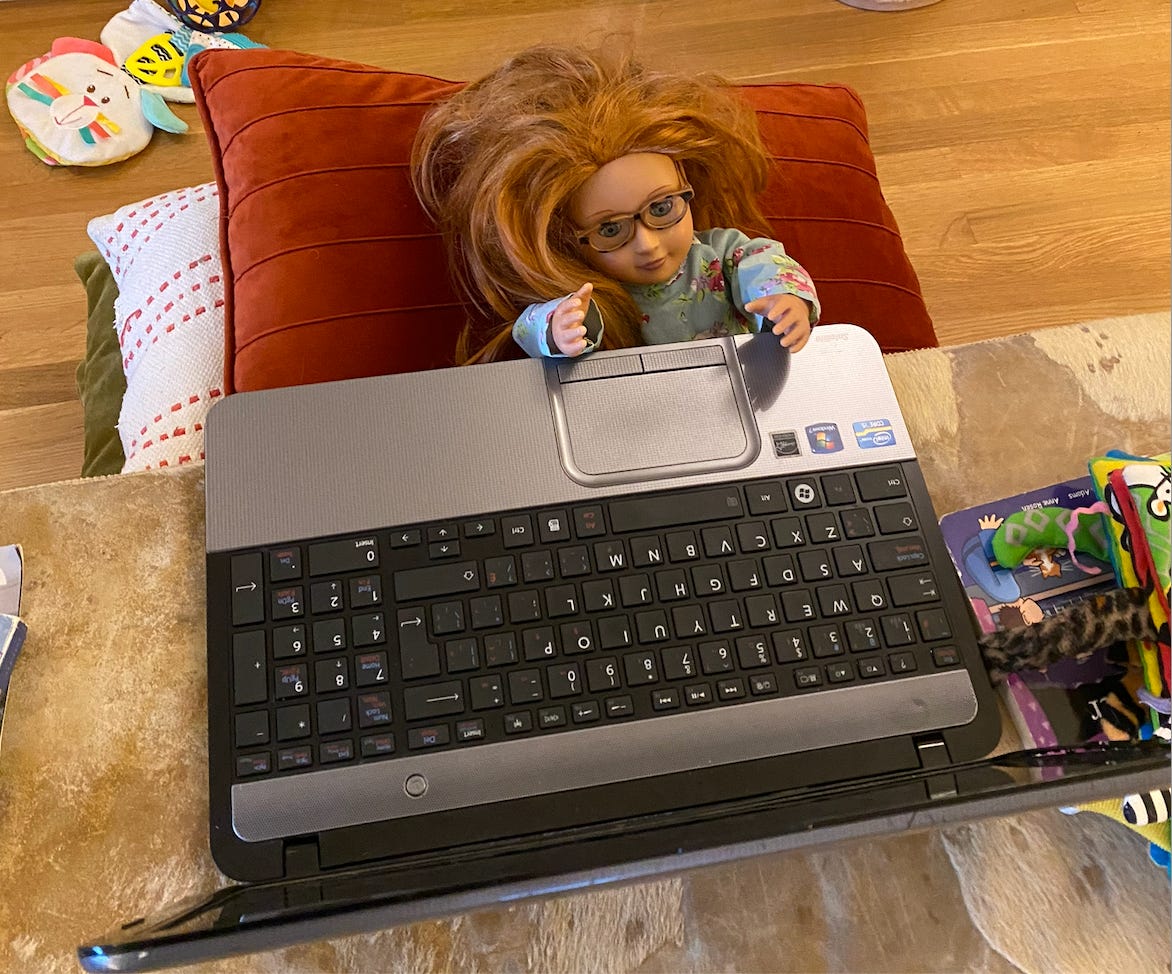
Enter AI.
Or more specifically: enter Alexa at my house.
A while ago, my youngest, who was three or four at the time, asked Alexa “Are you real?” Which: way to encapsulate the dominant philosophical question of our time, kid.
I don’t remember how Alexa replied—she probably sang a song about being a trusty AI assistant. But it got me thinking about how my youngest will know nothing but intelligent machines. Hers will be the generation that prefers robot surgeons to their human counterpart for their finer motor (ha) skills.
This is already markedly different from the experience of my older two kids, who are five and eight years older than she is. They didn’t grow up talking to robots.
Though they certainly do now.
Not too long ago I overheard my eldest kid complaining to Alexa about something I wouldn’t let her do (probably to do with screens, let’s be honest), the way I would have confided in my diary in the 90s. And if I don’t immediately know the answer to a question—like, say, which capital city sits at the highest elevation?—my middle kid will roll her eyes and ask Alexa before I even have a chance to guess (though I’d for sure be wrong, let’s be honest).
More than once I’ve googled “Term for parasocial relationship with digital things” and every time I do I’m surprised there isn’t one that succinctly encapsulates the phenomenon. There’s Artificial Intimacy and Techno-Intimacy, but those sound pathologized, and then there’s CASA, which stands for Computers Are Social Actors. Try dropping that in a conversation.
So here’s one: Robosocial relationship.
It may already be out there, but the only example I could find of it being used so far was a joke about an AI/human social media platform.
I would like to propose we use it to describe this bigger, broader phenomenon: a robosocial relationship = a parasocial relationship with an artificial intelligence.
For example: instead of having a therapist, my neighbour is in a robosocial relationship with Claude. Her was about a robosocial relationship. So was Ex Machina (I just rewatched that movie, which came out in 2014 and man, does it feel even more relevant now). I suppose the entire Terminator universe is too.
I think we’re on to something here.
Anyone have a connect at Miriam Webster?
Worth the Wait
I’m not someone to say kids ruin everything, but my kids absolutely 100% completely and totally ruined Lykke Li’s performance at our annual Couchella event. While I tried desperately to relive my glory days, they groaned and whined and begged me to put on whoever else was playing at the time (KATSEYE? More like ROLLSEYE, amirite?).
Anyway—those of you who are not my children will be thrilled about Lykke’s new album. Thank you, Hayley, for sending it my way!
And even my children are thrilled about Drake sampling Lykke’s I Follow Rivers in Janice STFU. Did everyone but me already know he’s a huge fan?
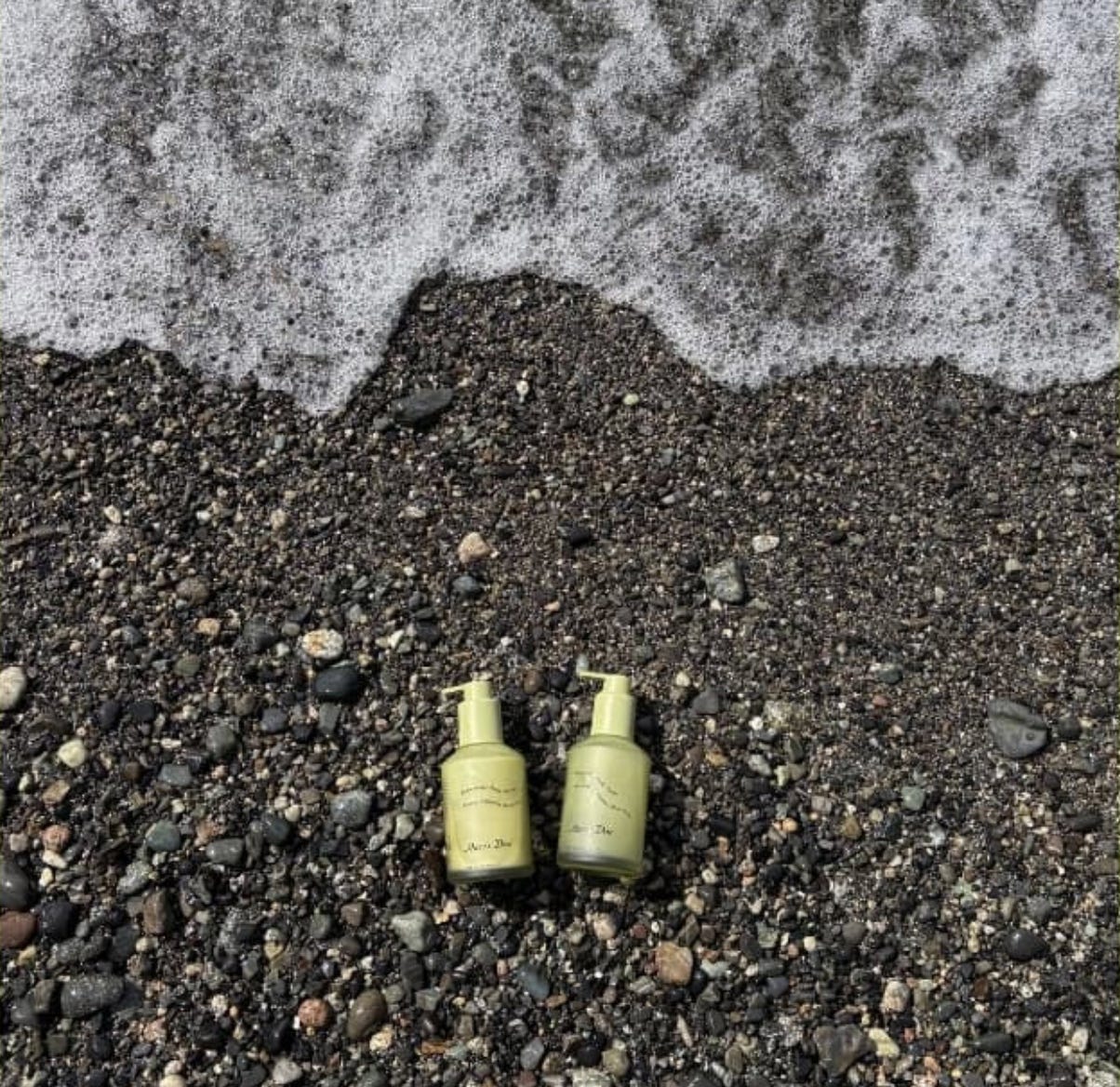
She sells sea-themed anything to me. Vancouver-based Maris Dae (a brand-new brand founded by Sam Rayner of Better Basics fame) has just launched a micro-collection of hand and body care that’s made with—of all things: sea algae. It looks like what a mermaid might have in her bathroom if she was design-y and lived in the Pacific Northwest.
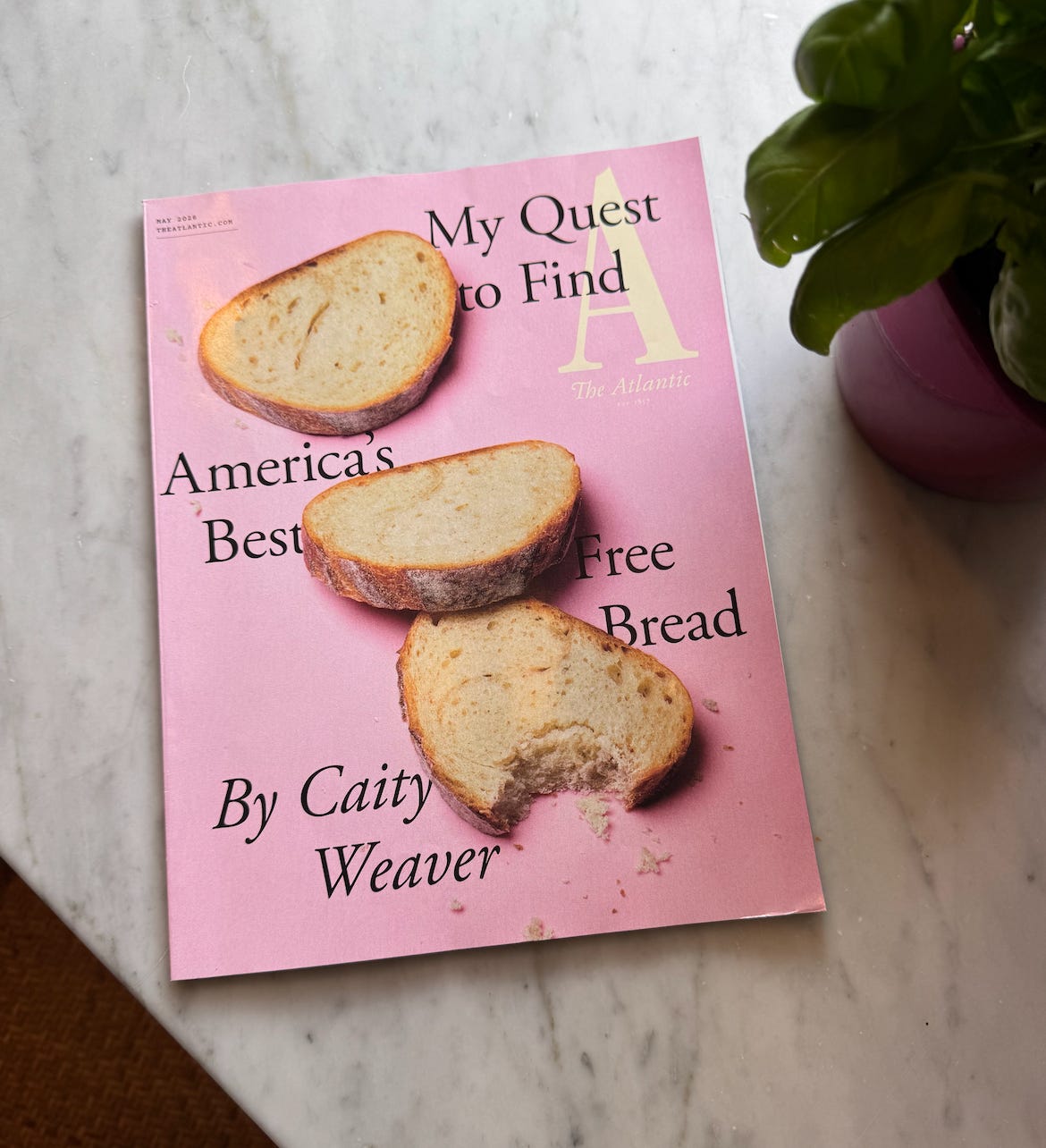
If you, like me, have loved Caity Weaver’s stories ever since you read her profile of The Rock for GQ in 2017, then this Atlantic story about finding the best free restaurant bread in America will be both delightful and heartbreaking.
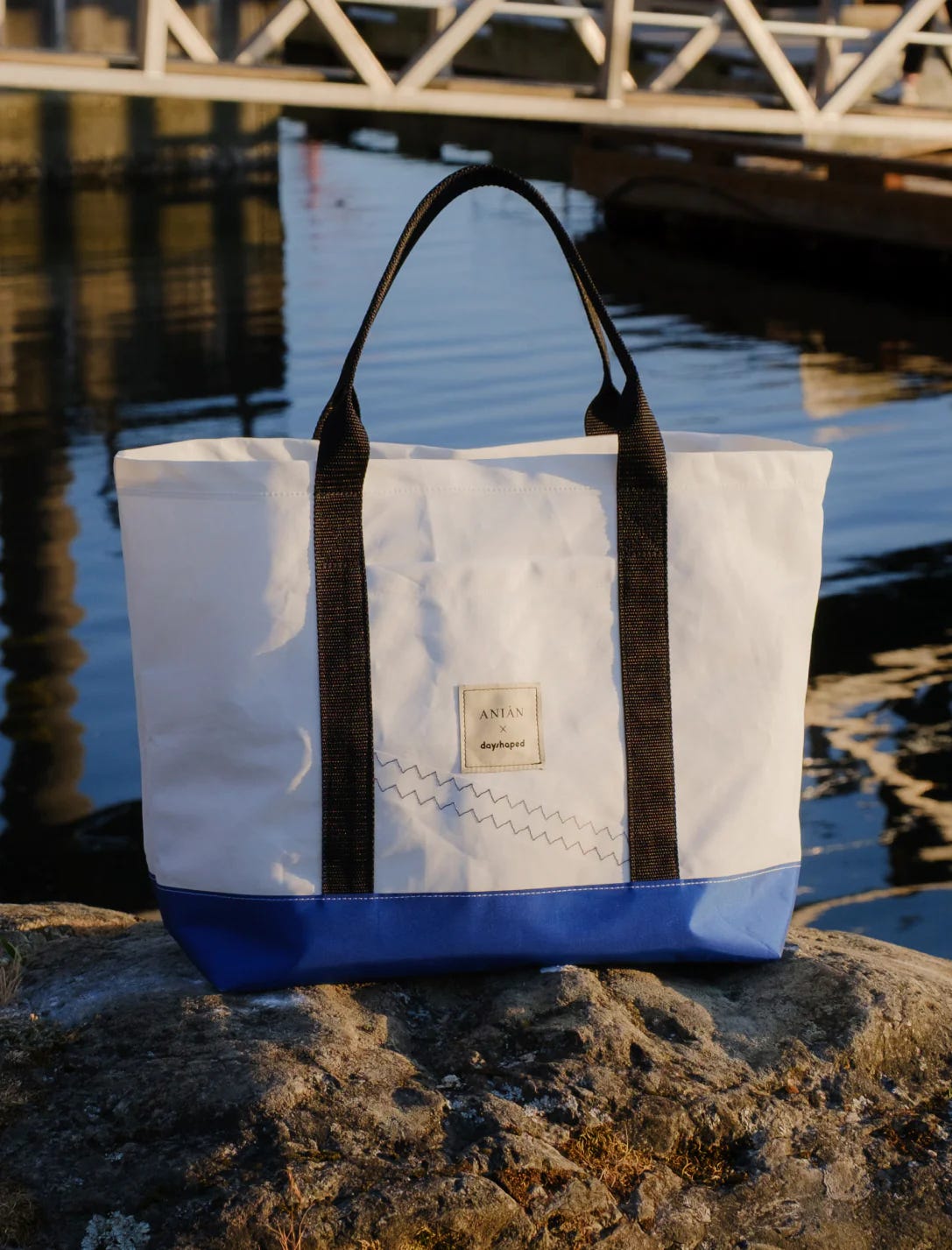
I have So. Many. Bags. But I don’t have one made of recycled sails by Anián and Dayshaped. Yet.
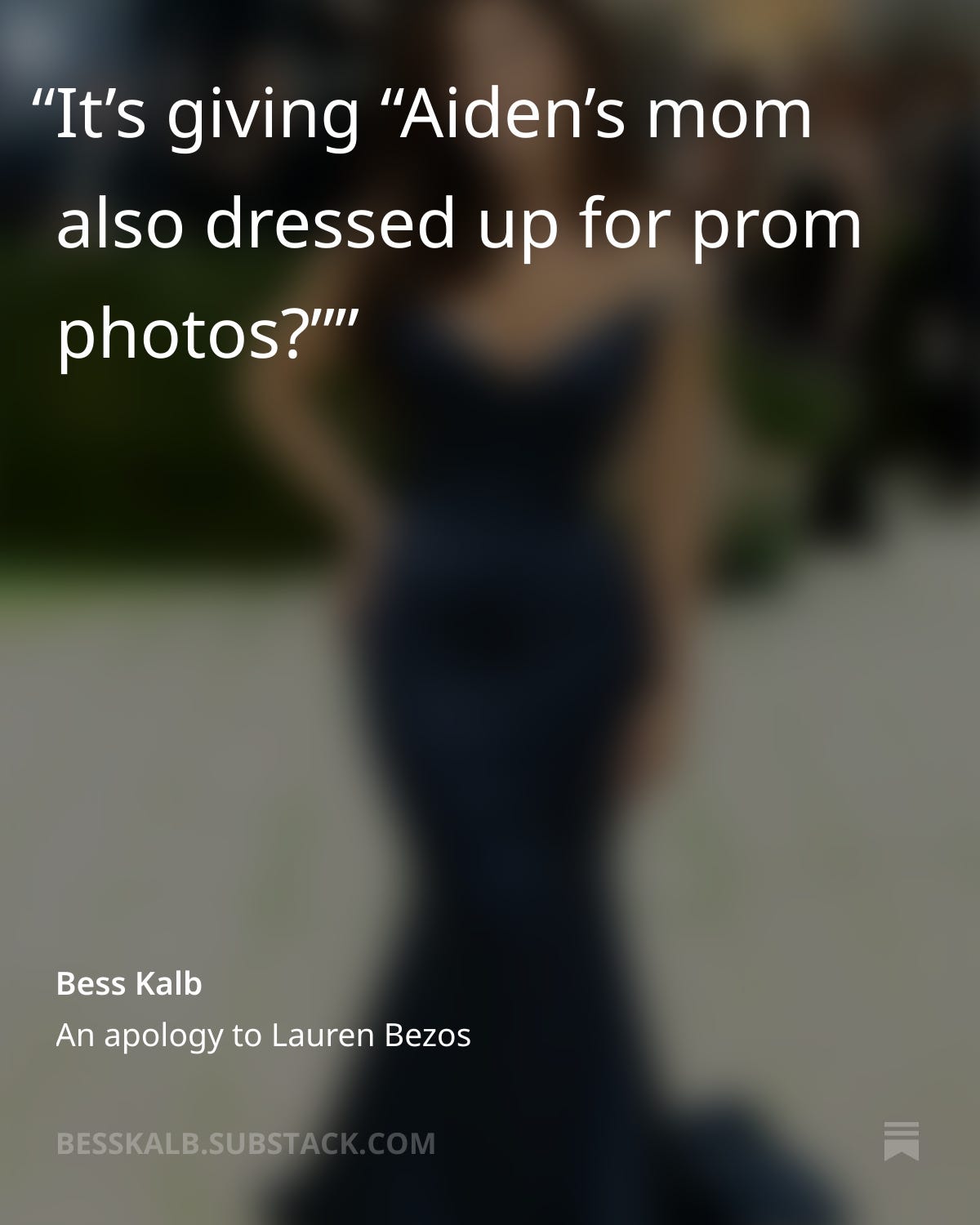
The Grudge Report by comedy writer, children’s book author and memoirist Bess Kalb is the funniest, sharpest, just plain best-est Substack on the entire platform. Case in point: this piece.
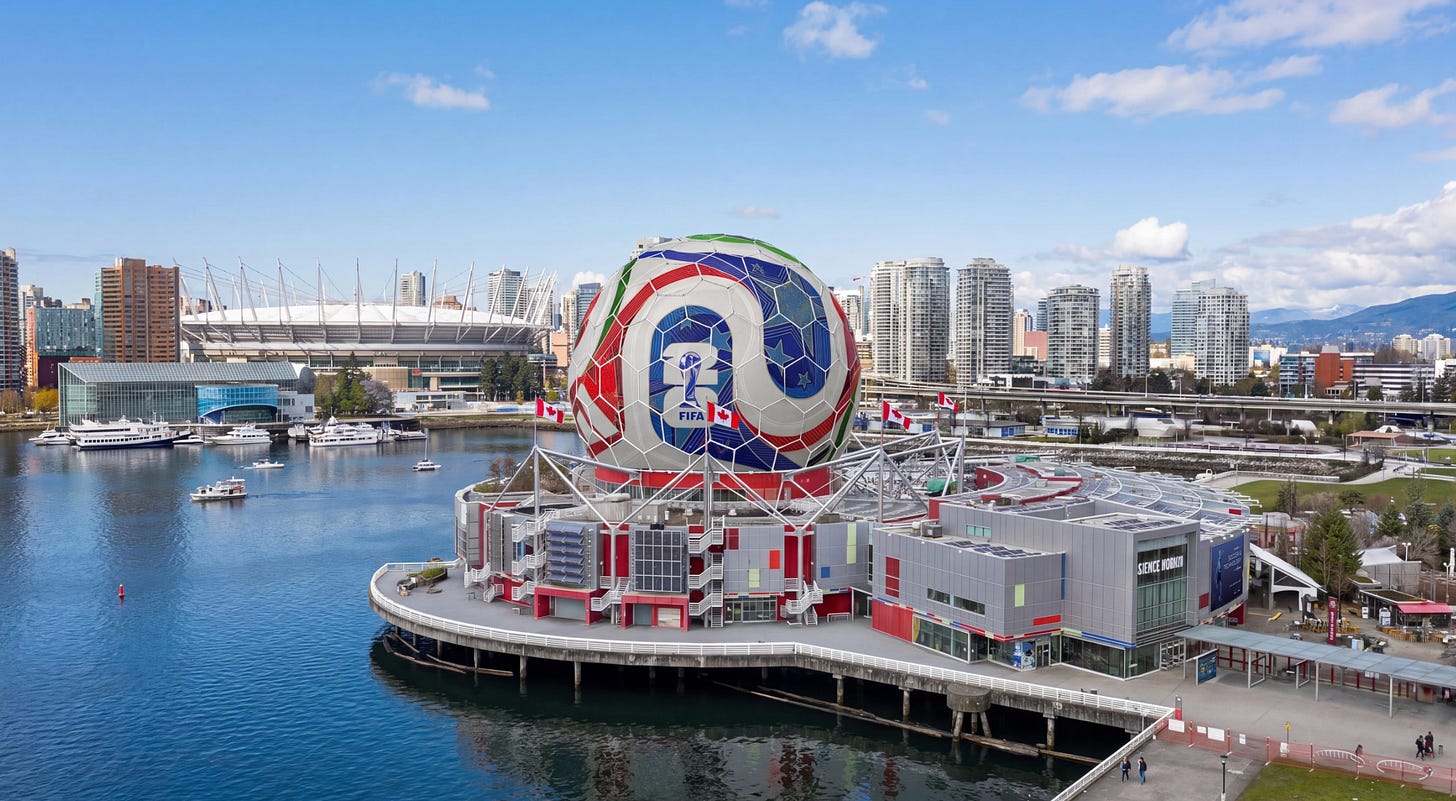
Science World, Vancouver’s most iconic landmark, is being transformed into the official soccer ball of FIFA World Cup 2026. I’m willing to bet it’ll be the iconic image of this World Cup, though this will surely be the second.
The installation is called The Beautiful Dome (a nod to the beautiful game, for those of you who aren’t sporty spice). And you know who came up with the name? My sister Larissa Dundon, which is something I will be telling everyone every time it comes up from now until infinity.
Thanks, y’all!
Kelsey
Subscribe to The Waited to get posts straight to your inbox.
P.S. A few weeks ago I co-hosted a conversation about youth and substance use with UBC professor, medical anthropologist and author of The Best Place: Addiction, Intervention, and Living and Dying Young in Vancouver Dr. Danya Fast. It was such a fascinating—and of all things: inspiring—discussion, Danya and I are going to record a podcast episode for every parent of a teen/tween who has no idea where to even begin with all that… and frankly doesn’t even want to think about any of it.
If you have a question you’d like me to ask her, email me!
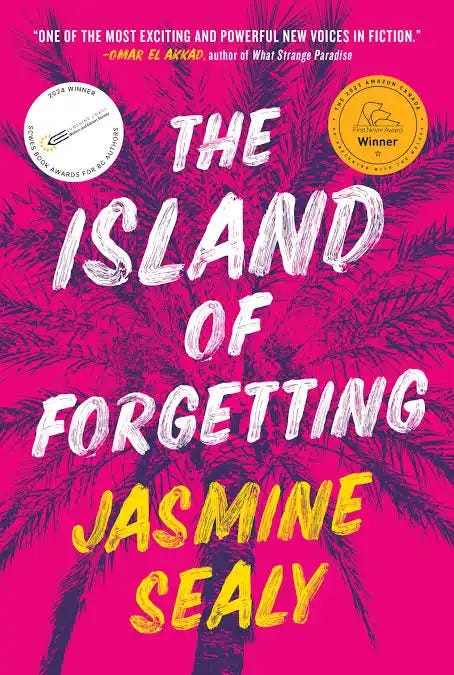
P.P.S. Before Christopher Nolan reinvented the Odyssey, Jasmine Sealy did. And you can listen to our conversation right here.